Business planning3 min read
The print collateral an Indian B2B company still needs

QuantmHill Delivery
Project planning guidesLinkedIn
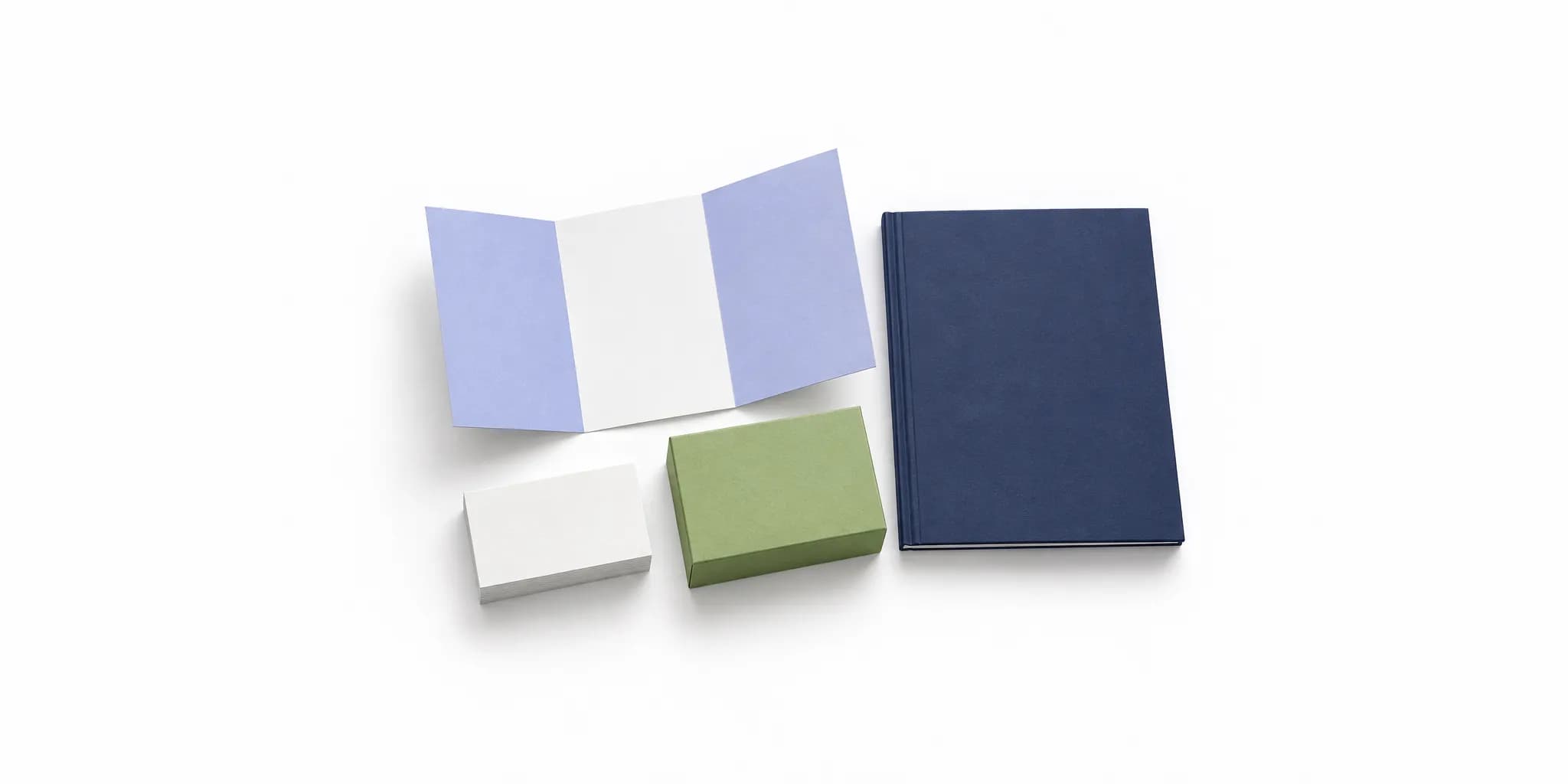
Most of a B2B buyer's research now happens online, but Indian B2B sales still involve a lot of paper. Procurement teams ask for a company profile PDF, trade-fair visitors expect a brochure, and a business card is still exchanged at almost every first meeting. The question is not whether to print but which pieces earn their cost and how to keep them consistent with your website.
Company profile: the document buyers forward internally
In many Indian companies, the person you meet is not the person who approves the vendor. Your company profile is what gets forwarded to them. It should cover who you are, what you do, key clients or projects you are allowed to name, certifications, capacity and contact details.
Produce it as a well-designed PDF first and print a smaller run for meetings. A professionally designed company profile reads very differently from a slide deck exported to PDF, and procurement teams notice the difference.
Keep the facts identical to your website. A profile listing a different address, team size or founding year from the "about" page raises questions during vendor verification.
Brochures and catalogues for products and trade fairs
If you sell physical products, a catalogue with specifications, model numbers and minimum order quantities is still expected at trade fairs and dealer meetings. Service businesses usually need a shorter brochure that explains the offer and points to the website for detail.
A brochure or catalogue designer should work from your brand guidelines and the same product data your website uses. When specifications change, update the website first, then the print files, so the two never contradict each other. If your product data lives in a spreadsheet that several people edit, that is often the point where a simple product catalogue on the website pays for itself.
Business cards and stationery
Business cards are cheap, but a badly designed card undermines everything else. Use the vector logo, the exact brand colours in CMYK and a typeface that stays readable at small sizes. Include a website address and a phone number that is actually answered. A QR code is useful only if it points to a page that works well on a phone.
Letterheads, envelopes and invoice templates should match the cards. A studio offering business card and stationery design can set these up as one consistent set.
Packaging and labels for product companies
For product businesses, packaging is often the first branded item a customer touches. Labels must also carry the legally required information for your category, such as MRP, net quantity, manufacturer details and customer care contact under India's Legal Metrology rules. Confirm the exact requirements for your product before finalising artwork.
What to keep digital
Some materials no longer need printing. Price lists change too often, case studies are easier to share as web pages, and product videos obviously belong online. Put these on your website and link to them from your printed material with a short, readable URL.
That means the website has to carry its share of the work. Our guide to what a business website costs in India covers catalogue and enquiry features, and our website development service builds sites that procurement teams can actually use.
If your branding is not settled yet, start with our guide to getting your brand identity ready before a website. Then produce print and web from the same assets.